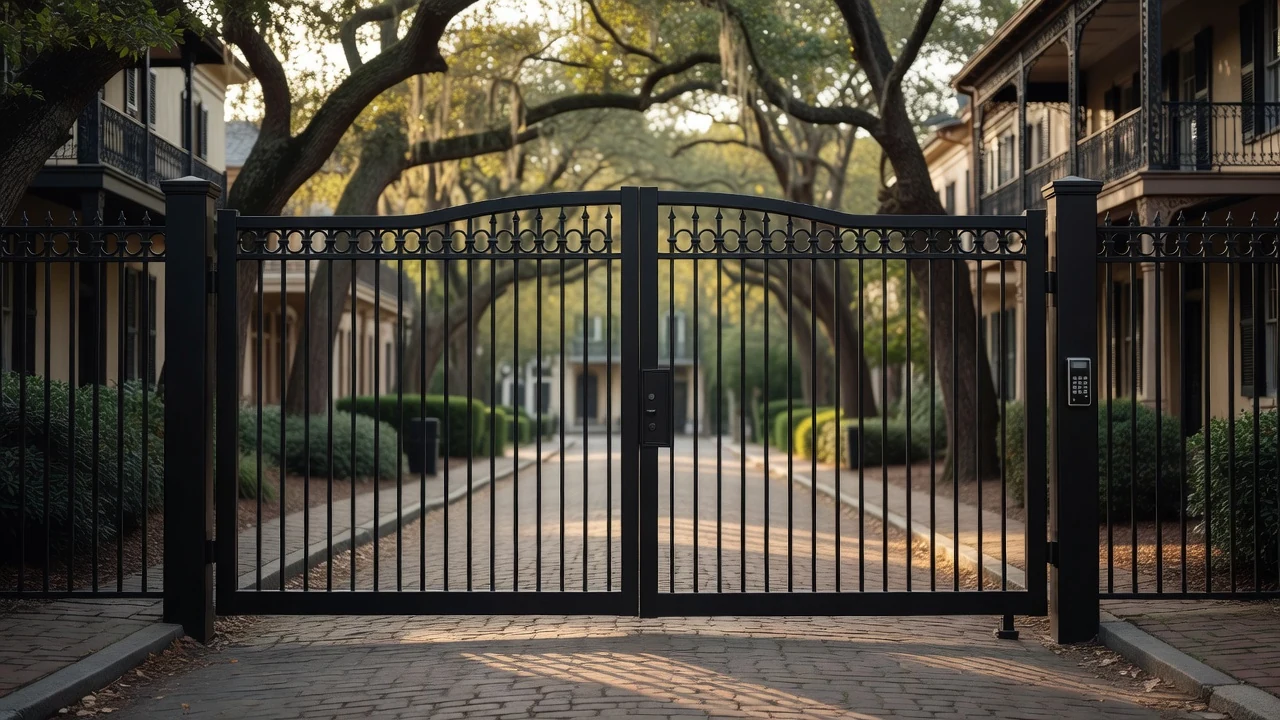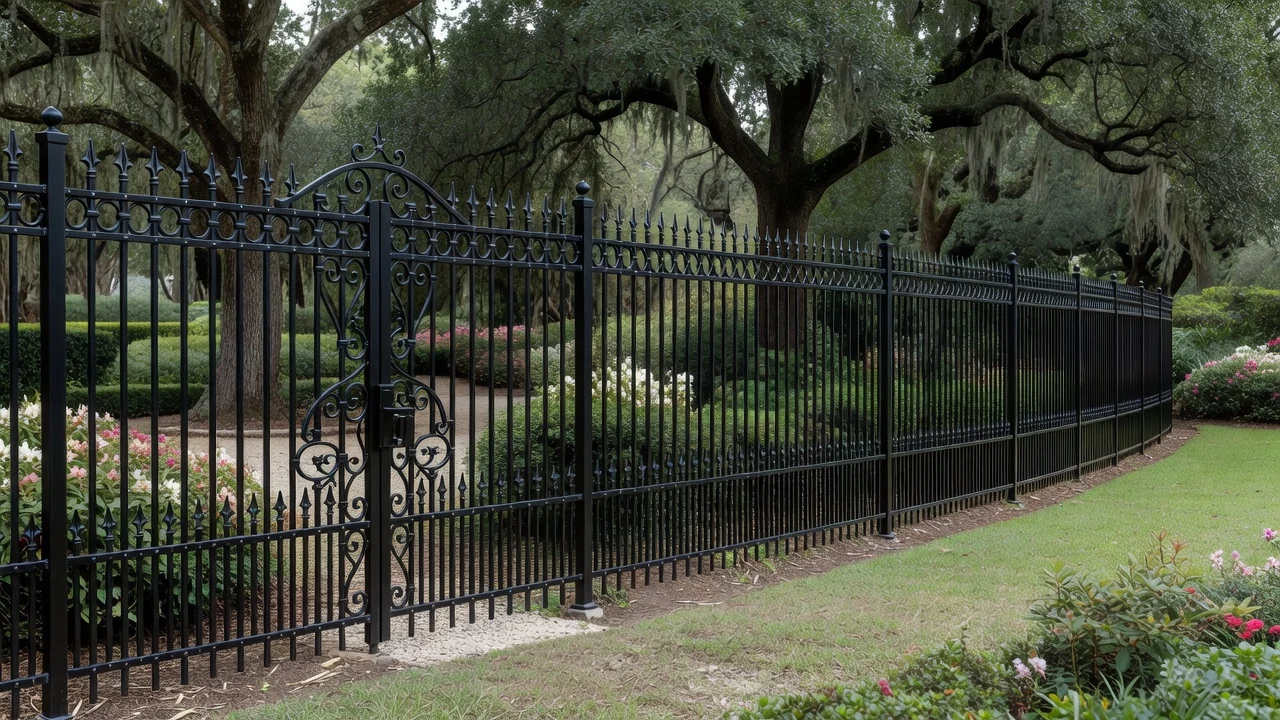
A driveway gate changes the whole entrance of a property. Done well, it adds privacy, controlled access, and a cleaner first impression.
We plan driveway gates around the property layout: opening width, vehicle access, slope, existing fence lines, visitor flow, and whether automation or keypad entry should be included now or later.
For residential and light commercial properties, the goal is simple: a gate that looks right from the street and works without turning daily access into a hassle.
What this service is good for
- Manual or automatic driveway gates
- Swing and sliding layouts
- Designed around access, security, and curb appeal
Driveway gates should fit the entrance, not fight it
A driveway gate affects curb appeal, privacy, security, and everyday access. Before choosing a design, the estimate should look at driveway width, slope, vehicle turning room, visitor flow, pedestrian access, and whether automation may be added now or later.
Swing gates can feel traditional and polished when there is room for them. Sliding gates are useful where swing clearance is limited. The right choice depends on the entrance, not just the style someone likes in a photo.
- Manual and automatic driveway gate planning
- Swing versus sliding gate layout decisions
- Gate posts, hardware, and access-control readiness
- Residential, estate, and light commercial entrances
Material options that pair well
The right material depends on privacy, visibility, gate use, maintenance expectations, pool rules, and how the fence should look from the street. Most Savannah-area projects start by comparing the practical differences below.
How this gets priced
A fence or gate estimate should account for layout, linear footage, material, height, removal, slope, gate hardware, access, and any pool, HOA, commercial security, or automation requirements. If you are still comparing options, start with the calculator and then request a site-specific estimate.
What to decide before the estimate
The most useful estimate requests explain the purpose of the project before jumping to material. A fence for privacy, a fence for pets, a pool barrier, a commercial security line, and an automatic driveway gate can all use different posts, hardware, gate openings, and installation details.
If you are unsure which option fits, that is fine. The estimate process can compare the service goal, property layout, gate needs, and maintenance expectations so the final plan does not overbuild one area and underbuild another.
Common questions
Can a driveway gate be automated later?
Often, yes. If automation may be added later, it is smart to plan gate size, weight, power, and operator space from the start.
Are sliding gates better than swing gates?
Sliding gates are useful where swing clearance is limited. Swing gates can look more traditional and work well when the driveway layout allows them.
Do driveway gates need access control?
Not always, but keypads, remotes, and entry systems can make daily use easier and more secure.
What should be measured for a driveway gate?
Opening width, driveway slope, swing or slide clearance, vehicle stacking room, post locations, and power access should all be reviewed.
Can driveway gates match the fence?
Yes. Matching or coordinating the gate with the fence usually creates a cleaner entrance and better curb appeal.