A good residential fence should do more than mark the edge of the yard. It should make the space feel private, safe, and finished without looking like an afterthought.
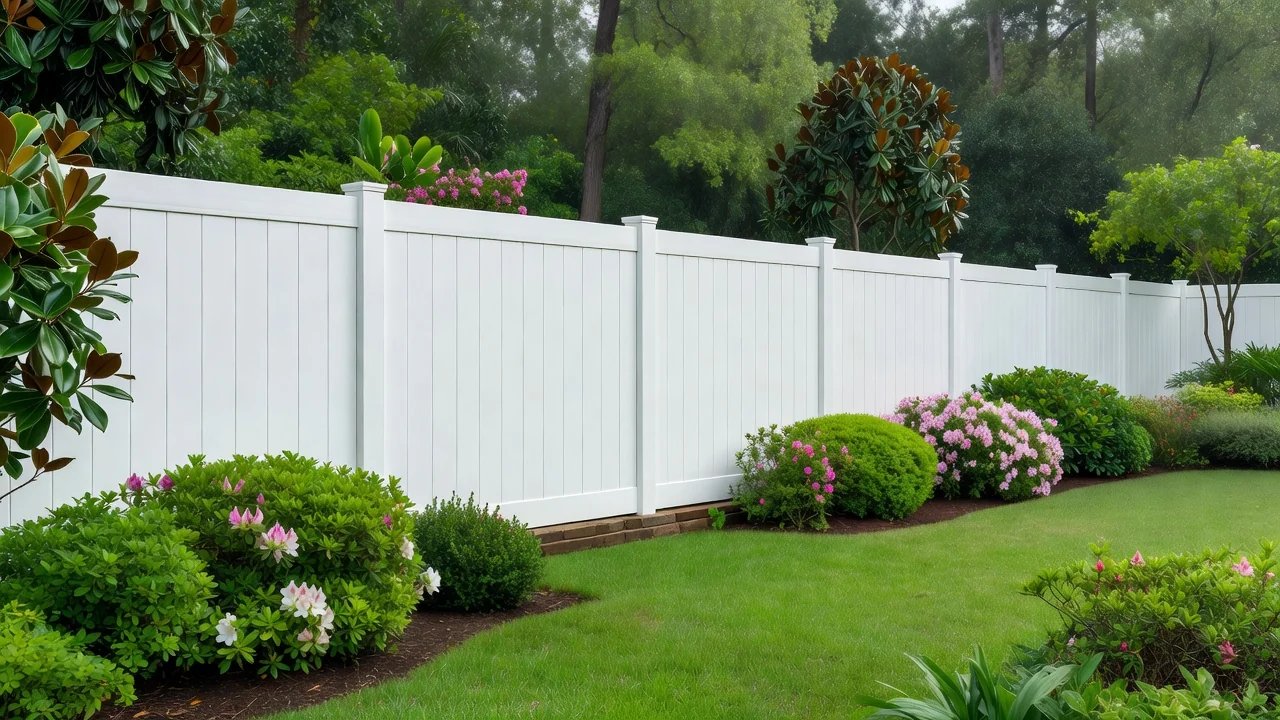
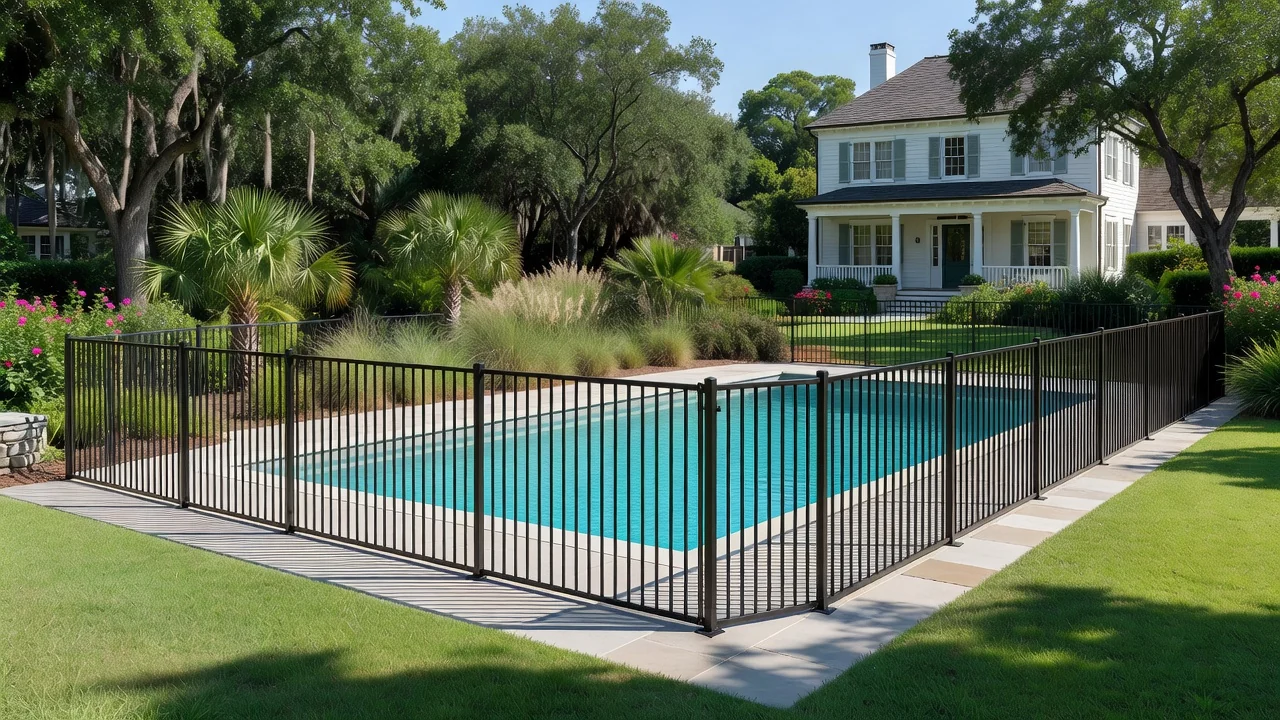
Savannah Gate and Fence Company helps homeowners choose the right material, layout, height, gate placement, and finish for the way the property is actually used. That might mean a clean vinyl privacy fence around a backyard, an aluminum pool fence that keeps the view open, a wood fence with real character, or a practical chain link fence for pets and side yards.
Every estimate starts with the property, the goal, and the site conditions. We look at access points, grade changes, trees, neighboring fences, pool requirements, and how the fence should connect to gates or existing structures.
What this service is good for
- Wood, vinyl, aluminum, and chain link options
- Privacy, pool safety, pets, and curb appeal
- Built around coastal Georgia weather and HOA needs
Residential fence planning that starts with the yard
A residential fence should match how the property is used day to day. A family with pets may need different gate placement than a homeowner focused on pool safety, curb appeal, or backyard privacy. The estimate should make those tradeoffs clear before material is chosen.
For Savannah-area homes, we pay attention to drainage, tree roots, tight side yards, existing patios, neighboring fences, and HOA rules. Those details affect post placement, gate size, panel choice, and whether wood, vinyl, aluminum, or chain link makes the most sense.
- Backyard privacy and pet containment
- Pool and child-safety fence layouts
- Walk gates, double gates, and access points
- HOA-conscious material and height planning
What to look for in a Savannah fence company
Homeowners searching for a fence company near them should compare more than panel prices. Ask how the company plans posts, gates, grade changes, old fence removal, and access. A clean residential install depends on those details as much as material choice.
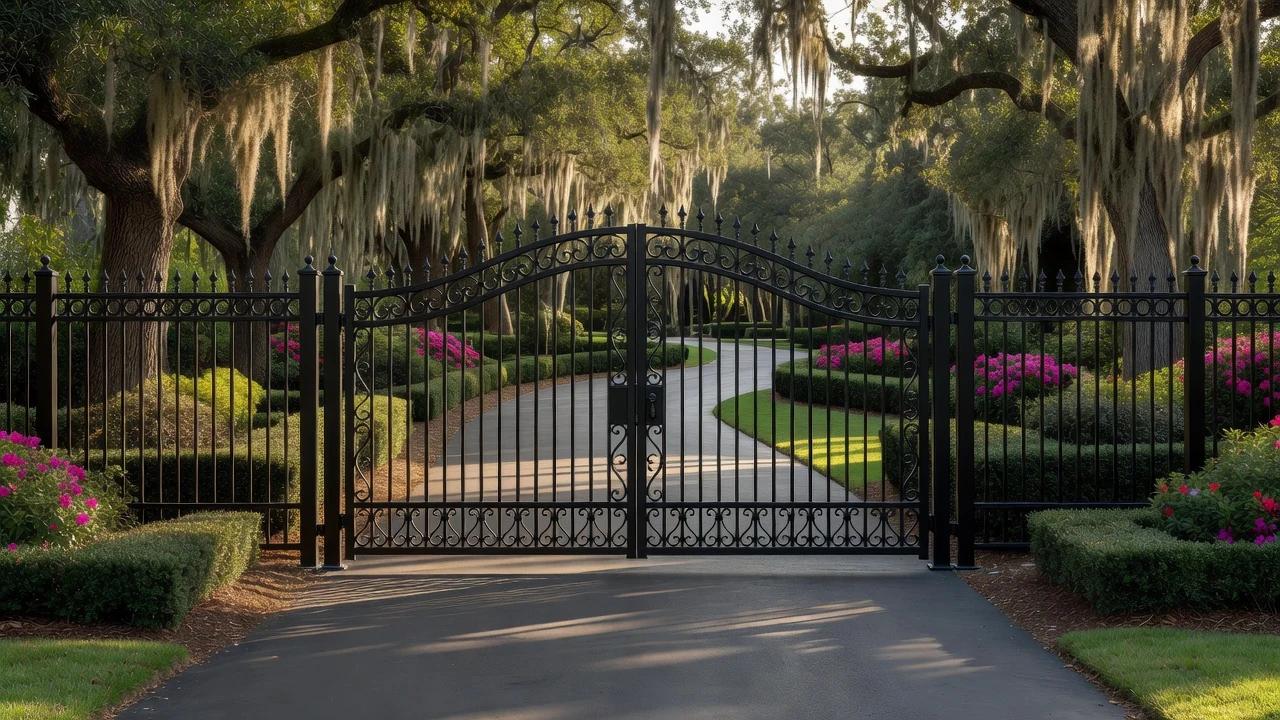
Savannah Gate and Fence Company focuses on full fence installation, privacy fencing, pool fencing, driveway gates, automatic gates, and replacement projects. The estimate process is built to sort the right material and layout for the property instead of forcing every yard into the same package.
- Clear material and gate recommendations
- Local coastal Georgia and nearby SC service coverage
- Free on-site estimates for property-specific pricing
- Owner-led review of layout and daily use
Material options that pair well
The right material depends on privacy, visibility, gate use, maintenance expectations, pool rules, and how the fence should look from the street. Most Savannah-area projects start by comparing the practical differences below.
How this gets priced
A fence or gate estimate should account for layout, linear footage, material, height, removal, slope, gate hardware, access, and any pool, HOA, commercial security, or automation requirements. If you are still comparing options, start with the calculator and then request a site-specific estimate.
What to decide before the estimate
The most useful estimate requests explain the purpose of the project before jumping to material. A fence for privacy, a fence for pets, a pool barrier, a commercial security line, and an automatic driveway gate can all use different posts, hardware, gate openings, and installation details.
If you are unsure which option fits, that is fine. The estimate process can compare the service goal, property layout, gate needs, and maintenance expectations so the final plan does not overbuild one area and underbuild another.
Common questions
What fence type is best for Savannah homes?
Wood, vinyl, aluminum, and chain link can all work well. The right choice depends on privacy needs, HOA rules, pool safety, budget, and how much maintenance you want.
Do you install gates with residential fences?
Yes. Walk gates, double gates, driveway gates, and access-control-ready layouts can be included with the fence design.
Can you help with HOA-friendly fence options?
Yes. We can talk through common HOA-friendly material and height options before the estimate. Final approvals always come from the HOA or local authority.
What should I know before requesting a residential fence estimate?
Know the main goal, preferred material, rough fence line, gate locations, and whether the property has HOA, pool, pet, or access requirements.
Can one residential fence combine multiple materials?
Sometimes. A property may use vinyl or wood for privacy and aluminum near a pool or view area. The layout should make the transition look intentional.
Do you install fences near me around Savannah?
Yes. Residential fence installation is available in Savannah, Pooler, Richmond Hill, Rincon, and nearby coastal communities.