There’s a certain charm to a classic wood picket fence—especially under live oaks and Spanish moss. It frames the yard, keeps the dog in, and whispers “welcome” to the street. But here’s the thing: building one that’s straight, sturdy, and stays good-looking in Savannah’s heat and humidity takes a little know-how. A few common mistakes can turn a weekend project into weeks of “why is that post wobbling?” Let me explain how to avoid the headaches and build a fence you’ll be proud of.
Contents
- 1 Why picket fences still matter in Savannah
- 2 Mistake 1: Guessing where the property line is
- 3 Mistake 2: Shallow posts and the wrong concrete method
- 4 Mistake 3: Choosing the wrong wood for our climate
- 5 Mistake 4: Skimping on fasteners and hardware
- 6 Mistake 5: Wonky spacing and wandering lines
- 7 Mistake 6: Letting wood sit right on the ground
- 8 Mistake 7: Underbuilding the gate
- 9 Mistake 8: Skipping finish, or sealing too soon
- 10 Mistake 9: Forgetting codes, HOAs, and the neighbor factor
- 11 Mistake 10: Ignoring wind and summer storms
- 12 Mistake 11: Budget blind spots and timeline slips
- 13 Quick planning checklist
- 14 DIY or hire? Here’s a fair take
- 15 Little touches that make a big difference
- 16 Real-world example from a Savannah yard
- 17 Common questions we hear
- 18 Ready to build it right? Let’s talk fences
Why picket fences still matter in Savannah
A picket fence isn’t just decoration. It sets boundaries, adds curb appeal, and, in many neighborhoods here in Savannah, GA, it blends with the architecture—from Ardsley Park bungalows to Victorian homes. That said, some areas (especially historic districts) have specific rules about height, style, and placement. And, honestly, those rules aren’t bad; they help your fence look like it belongs.
Beyond looks, a low picket fence allows airflow—handy on those still summer days—and gives you a friendly sense of privacy without blocking every view. If you’re fence-shopping or planning a DIY build, this guide is for homeowners who want the classic wood look without the classic mistakes.
Mistake 1: Guessing where the property line is
You know what? The fastest way to create neighbor drama is to build a fence on the wrong side of the line. Don’t trust that old stake or a “close enough” eyeball. Pull up the plat, check your survey, or get a fresh one if needed. If you’re near a corner, pay attention to the sight triangle rules so the fence doesn’t block views at intersections.
And before you dig, call Georgia 811. It’s free and saves you from nicking a gas line or fiber conduit. If you’re in the city, look at local fence rules: front yard fences often top out around 3–4 feet, and there may be style guidelines in historic zones.
Mistake 2: Shallow posts and the wrong concrete method
In our sandy, sometimes soggy soil, posts need depth. A good rule: at least 1/3 of the post length in the ground—often 24–30 inches for a standard picket fence. Go a bit deeper at corners and Gates. Around here, high water tables and heavy rains are common; you want water to drain away, not pool around your posts.
Two things that help:
- Gravel at the base. A few inches of compacted gravel at the bottom of the hole helps drainage and resists frost heave (small risk here, but still).
- Concrete collar, not a bucket. Rather than encasing the whole post in concrete like a popsicle, use a bell-shaped footing or a concrete collar and slope the top away from the wood. That keeps water from hugging the post and causing rot.
Set posts plumb, then check again. Then one more time. Coastal winds will find any lean you ignore today.
Mistake 3: Choosing the wrong wood for our climate
Humidity and salt air aren’t gentle. Some species handle it better than others. Pressure-treated pine is common and affordable; cedar smells nice, looks great, and resists decay; cypress is a Southern favorite with good rot resistance. Mixing treated and untreated parts? That’s asking for uneven wear and weird color shifts.
| Wood type | Approx lifespan in Savannah | Notes |
|---|---|---|
| Pressure-treated pine | 10–15 years | Affordable; must dry before staining; choose ground-contact rated for posts. |
| Cedar | 12–20 years | Great look; lighter weight; fasteners should be corrosion resistant. |
| Cypress | 12–20 years | Stable, good rot resistance; pairs well with coastal conditions. |
One more quiet culprit: chemistry. Many treated woods use ACQ preservatives, which are tough on regular steel. That brings us to the next mistake.
Mistake 4: Skimping on fasteners and hardware
Salt air and cheap screws don’t get along. Use hot-dip galvanized or, better yet near the coast, stainless steel fasteners. For pickets, ring-shank nails hold tight and resist backing out as wood swells and shrinks. For rails into posts, exterior-grade screws add strength. If you’re near marsh or the river, stainless pays for itself by not rust-streaking your pretty fence.
Gates need real hardware: heavy-duty hinges, a latch that closes reliably, and longer screws that bite deep. It’s tempting to save a few bucks here—then the gate sags and sticks every July afternoon.
Mistake 5: Wonky spacing and wandering lines
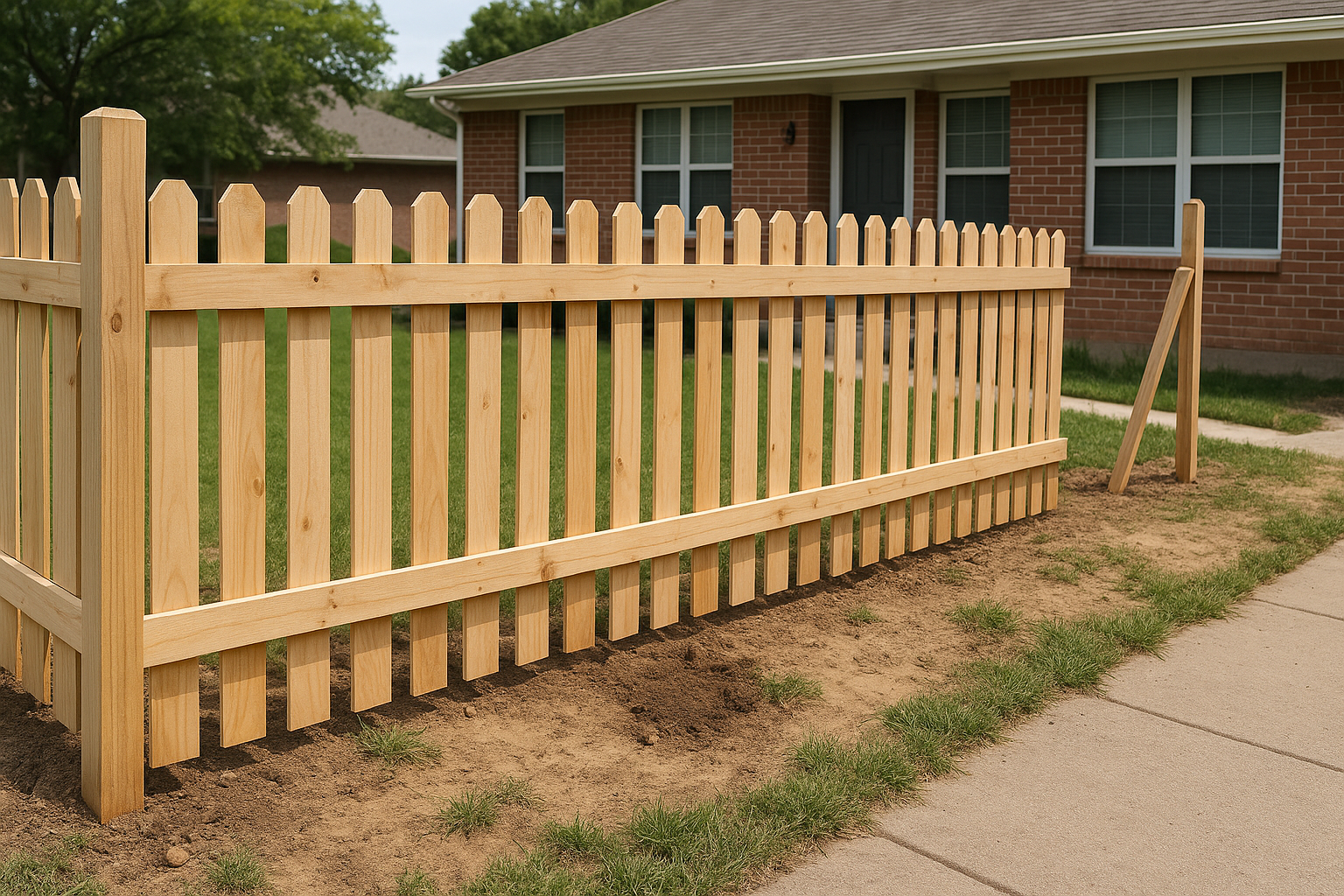
Picket fences look best when the rhythm is consistent: same gap, same height, same reveal. Use a spacer stick for gaps. Snap a string line across the tops and bottoms to keep things straight. A laser helps, but a taut string never lies.
Got a slope? You have two approaches: stepping (each panel drops like stairs) or racking (rails follow the grade). Racking needs flexible rails and careful layout; stepping creates clean horizontals but shows gaps under the fence. Either works—just pick a style and keep it consistent.
Mistake 6: Letting wood sit right on the ground
Ground contact is rot’s best friend. Keep the bottom of your pickets 2 inches or so above grade. If you want a clean edge with extra protection, add a rot board (a treated board at the bottom) that can be replaced later without touching your pickets. Also watch sprinklers. Daily soaking + Savannah sun = early failure.
Mistake 7: Underbuilding the gate
Gates get the most use and the least forgiveness. They need a beefier post (think 6×6), deeper footing, and a diagonal brace that runs from the bottom hinge side up to the latch side—so the brace is in compression, not just hanging there. If the gate is wide, consider two smaller leaves instead of one heavy slab.
Place the latch at a comfortable height and make sure it’s reachable from both sides if that’s your plan. A small drop rod on a double gate keeps things snug and quiet.
Mistake 8: Skipping finish, or sealing too soon
Raw wood looks charming for about five minutes. Then sun and mildew take over. A quality exterior stain with UV protection keeps the fence looking fresh and slows decay. Semi-transparent stains show the grain; solid stains look like paint but breathe better. If you want paint, use a system designed for fences and expect more upkeep.
Don’t rush it. Pressure-treated lumber needs to dry before staining. A quick test: sprinkle water—if it beads, it’s still too wet. When you do finish, coat all sides, top edges, and especially end grain. End grain drinks water; sealed ends last longer.
Maintenance in our climate is simple but steady: light wash each spring (mild cleaner or oxygen bleach), touch-up stain every couple of years, and keep leaves and vines off the fence. Our warm nights grow mildew faster than you’d think.
Mistake 9: Forgetting codes, HOAs, and the neighbor factor
Some neighborhoods in Savannah, GA limit fence height, style, or placement. Historic districts often want a certain look and sometimes materials. Getting approvals first saves time and awkward conversations later. Also, that “good neighbor” look—rails on the inside, finished face out—keeps everyone happy and is often required.
Talk with your neighbors. A quick chat about where the fence will run and what it’ll look like prevents surprises. If you share costs or maintenance, put it in writing. Friendly today; clear tomorrow.
Mistake 10: Ignoring wind and summer storms
Our storms can push a fence hard. Rethink big solid surfaces; pickets with gaps let wind pass. Use sturdy rails (two for low fences, three for taller runs), keep post spacing tight—usually 6–8 feet max—and add exterior screws at stress points. In exposed areas, a little overbuilding goes a long way.
Mistake 11: Budget blind spots and timeline slips
The sticker price isn’t the whole story. You’ll also need post mix, gravel, layout string, spacers, blades, bits, clamps, and, if you’re painting, brushes and sprayers. Don’t forget hauling fees for old fencing or brush along the line. And a permit if your area requires one.
Timeline-wise, plan around rain bursts and heavy pollen. Fresh pollen sticks to wet stain like glitter to a kid’s hands—everywhere. If you hire a crew, ask about lead times; spring fills fast. Fall is often a sweet spot: cooler days, less rain, still plenty of daylight.
Quick planning checklist
- Confirm the line. Pull the survey and mark the corners. Call Georgia 811 before digging.
- Choose the right wood. Treated posts, cedar or cypress pickets, consistent species for even wear.
- Build strong foundations. Posts 24–30 inches deep with gravel base and sloped concrete collar.
- Use coastal-grade fasteners. Hot-dip galvanized or stainless steel; ring-shank for pickets.
- Lay it out clean. String lines, spacer sticks, and consistent gaps; plan for grade changes.
- Protect and maintain. Stain with UV protection after the wood dries; wash and recoat as needed.
- Plan the gate like a door. Bigger posts, diagonal brace, heavy-duty hinges, solid latch.
DIY or hire? Here’s a fair take
If you’ve got a free weekend, a couple of friends, and you enjoy building, a small straight run of wood picket fence is a very doable DIY project. It’s satisfying work. But if your yard slopes like a roller coaster, the line twists around trees, or the soil stays wet, a professional can save you hours and give you a straighter, longer-lasting result.
At Savannah Gate & Fence, we work with cedar, cypress, and pressure-treated pine every day. We know how posts behave in our sandy soil, how stains hold up through August, and how to keep a gate from sagging when the humidity climbs. If you want design suggestions or a second opinion, we’re happy to help—no pressure.
Little touches that make a big difference
Sometimes it’s the small choices that take a fence from “nice” to “wow.” Topping pickets with a soft point or a flat cap to match your home’s style. Adding a simple post cap to shed water. Running a clean gravel line under the fence for drainage and mower-friendly maintenance. Even flipping the last board to hide a cut end can make you smile every time you pull into the driveway.
And because we live near the coast, think corrosion at every step. If you can smell salt on a morning walk, your fence can, too. Stainless fasteners, sealed end grain, and a breathable finish are your best friends.
Real-world example from a Savannah yard
A homeowner in Wilmington Island wanted a low, classic cedar picket fence with a single garden gate. The yard had a gentle slope and a sprinkler line running a foot inside the property. We set 6×6 gate posts 30 inches deep with gravel and a sloped concrete collar, used stainless ring-shank nails for pickets, and racked the rails to follow the grade. Pickets floated 2 inches off the ground, finished with a semi-transparent stain after the cedar dried down. That gate? Z-braced, heavy hinges, quiet latch. Two years later, still straight, still pretty, and no rust streaks.
Could a DIYer do it? Sure. But the details—the drainage, the slope, the hardware—made the difference between decent and rock-solid.
Common questions we hear
How tall should a picket fence be?
Most front-yard picket fences look right at 36–42 inches. Check local rules and match your home’s scale.
Paint or stain?
Stain is lower maintenance and breathes better. Paint looks crisp but needs more touch-up. Either way, use quality exterior Products and recoat on schedule.
Can I set posts without concrete?
In very well-draining soil, compacted gravel can work. In much of Savannah, a gravel base plus a sloped concrete collar is the sweet spot for stability and drainage.
Ready to build it right? Let’s talk fences
If you’re planning a wood picket fence in Savannah, GA, we’d love to help you avoid the common pitfalls and get a fence that’s straight, sturdy, and easy on the eyes. Call 912-800-0818 to speak with our team at Savannah Gate & Fence, or tap the button below to Request a Free Quote. We’ll listen, measure, and give you clear options—materials, styles, and timelines—so you can choose what fits your home and budget.
Request a Free Quote or call 912-800-0818. Let’s build something you’ll be proud of every time you pull into the driveway.
Learn more about our wood fence installation in Savannah or explore all our fence services in Savannah.