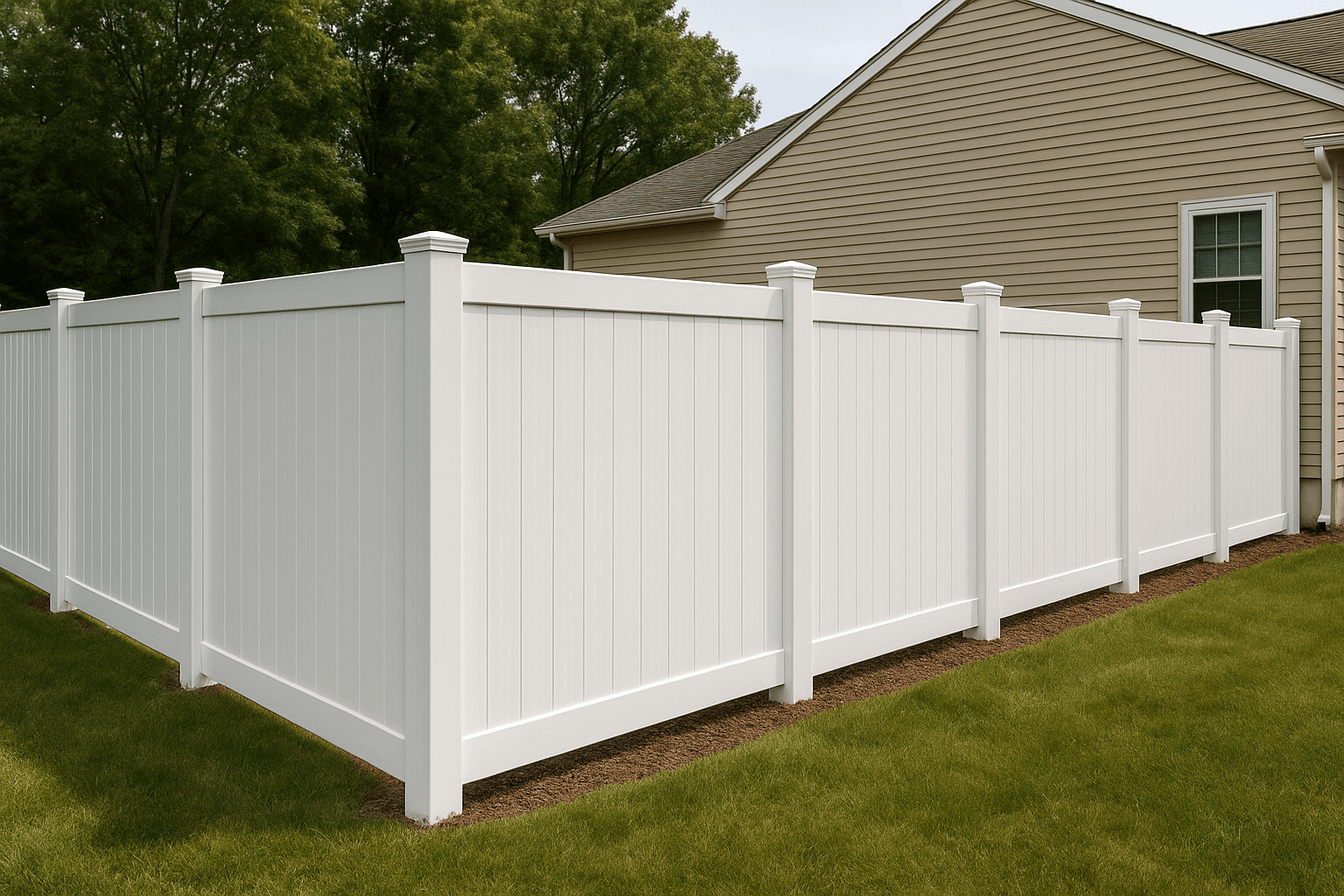
If you’re a homeowner in Savannah, you already get it—heat, humidity, salt in the air, and the occasional tropical tantrum will test anything you build outside. So when folks ask us how long a Residential Vinyl Fence actually lasts, we don’t give them a fluffy answer. We talk about the material, the weather, and the way it’s installed. Because durability isn’t a guess; it’s a system that holds up when summer hangs heavy and the live oaks drip with moss. Honestly, that’s the point: a fence that looks good and stays put, without you babysitting it every weekend. Let me explain why a quality vinyl fence in Savannah is built for the long haul—and what to watch for so you get the good stuff, not a headache with rails.
Contents
- 1 What actually makes vinyl fences so durable?
- 2 Built for the Lowcountry: heat, humidity, and salt air
- 3 Vinyl vs. wood vs. metal: what lasts in our area?
- 4 Common myths about vinyl durability—cleared up
- 5 Materials and build features that truly add years
- 6 Care is simple: a low-maintenance routine that works
- 7 Color and style that go the distance
- 8 Warranties that actually mean something
- 9 Permits, setbacks, pools, and local basics
- 10 How to spot high-quality vinyl—before it’s installed
- 11 Cost vs. value: where the numbers land
- 12 Local proof: a quick Savannah story
- 13 A small sustainability note
- 14 Ready to fence in your corner of Savannah?
What actually makes vinyl fences so durable?
A lot of the strength in a vinyl fence comes from the recipe and how it’s made. The base is PVC—polyvinyl chloride—with UV inhibitors like titanium dioxide blended into the outer layer to resist sun fade and brittleness. Most premium Products use co-extrusion, which means a tough capstock on the outside for weathering and a strong core for impact. It’s simple to say and easy to overlook, yet it’s the difference between a fence that chalks and one that keeps its color.
You’ll also see terms like “impact modifiers” and “wall thickness.” Those matter. Thicker posts and rails resist warp. Good rails are routed, not face-screwed, so panels lock in tight. Many systems include aluminum or galvanized steel inserts in bottom rails to prevent sagging—quiet little reinforcements that do big work over time.
Here’s the thing: not all vinyl is the same. Builders’ grade products can look fine on day one but struggle when the sun and coastal breeze start poking holes in cheap formulas. We install Commercial-grade materials that meet or exceed ASTM F964 standards for residential vinyl fencing, because Savannah weather doesn’t grade on a curve.
Built for the Lowcountry: heat, humidity, and salt air
Savannah’s climate throws curveballs. July heat. Afternoon thunderstorms. Salt carried inland from Tybee. Even pollen season gets in on the action. You know what? Quality vinyl shrugs most of it off.
– High heat: Vinyl expands and contracts a little with temperature. That’s normal. Proper spacing in the routed posts—and reinforced rails—prevents bowing. Cheaper panels may sag; strong rails don’t.
– Humidity and rain: Vinyl doesn’t absorb moisture, so it won’t rot, swell, or peel. No mold deep in the grain like wood. Surface mildew can appear, but it cleans fast.
– Salt exposure: With a tough capstock and corrosion-resistant fasteners, coastal air is more of a cleaning chore than a structural threat. We use stainless or powder-coated hardware for hinges and latches near the coast.
Long story short, vinyl fence durability isn’t just about the panel. It’s about smart spacing, sturdy posts in solid footings, and hardware that laughs at rust.
Vinyl vs. wood vs. metal: what lasts in our area?
Let’s compare the usual suspects. Spoiler: all can work, yet only one gives the lowest effort over time in a coastal climate.
| Material | Typical Lifespan | Coastal Performance |
|---|---|---|
| Premium vinyl fence | 25–35+ years | Excellent with UV inhibitors and reinforced rails |
| Pressure-treated wood | 10–15 years (with maintenance) | Can warp, rot, and require stain/paint; hardware rusts |
| Ornamental aluminum | 20–30+ years | Great against rust; less privacy than vinyl Privacy Fence |
If you love the warmth of wood, we get it. But in Savannah’s humidity, wood needs ongoing care. Aluminum is a champ for pool codes and visibility. For privacy, low upkeep, and steady looks, vinyl vs wood has a clear winner over time.
Common myths about vinyl durability—cleared up
– “Vinyl gets brittle in the sun.” Older, low-quality vinyl might. Today’s top fences use advanced capstocks, UV inhibitors, and impact modifiers that keep flexibility and strength for decades.
– “It’ll blow over in a storm.” Panels don’t parachute away when they’re set on solid posts with deep footings and correct spacing. Wind sees your fence as a big sail; a professional design addresses that.
– “Dark colors always warp.” Darker colors do absorb more heat. Reputable systems use formulations designed for that heat load. We’ll pair color choice with rail reinforcement and strategic layout, so you get the look without the drama.
Myth-busting matters, but so does the real talk: any fence can fail if it’s installed poorly. We don’t gamble with footing depth, post spacing, or gate structure—especially in a coastal climate.
Materials and build features that truly add years
If durability is the goal, you want a fence that’s engineered, not improvised. The big three parts need to be right.
Posts and footings
Posts are the bones. We size them to wind loads and bury them deep in concrete, typically 24–30 inches in the Savannah area, deeper in sandy soils or open exposures. We bell out the footing base and crown the top so water sheds away. That simple shape fights frost heave and washouts.
Rails and panels
We use routed posts so rails lock in instead of relying on face screws. Bottom rails often get aluminum or galvanized steel inserts to stop sag. Panel styles like vinyl privacy fence, semi-privacy, and picket have different wind profiles; we match the design to your yard and exposure.
Gates and hardware
Gates take the most abuse. We use welded frames, adjustable hinge systems, and self-closing pool latches when needed. Stainless or high-grade powder-coated hardware avoids corrosion. It’s a small detail—and a huge deal for longevity.
Care is simple: a low-maintenance routine that works
A big reason people choose low-maintenance vinyl fencing is… the maintenance is easy. A quick rinse most of the year does the trick. When pollen hits hard or a shady corner grows a little green, try this routine.
- Wash lightly with a garden hose and a soft brush. Mild soap works. Keep pressure washers at a safe distance.
- Spot clean mildew with a mix of water and a splash of white vinegar. For stubborn spots, a gentle vinyl-safe cleaner is better than harsh scrubbing.
- Check gates annually for hinge tension and latch alignment. A tiny tweak now saves sag later.
- Trim landscaping so shrubs don’t press panels. Good airflow keeps things drier and cleaner.
Savannah’s oak pollen can be relentless for a few weeks. A hose and five minutes, and your fence looks new again. No sanding. No sealing. No drama.
Color and style that go the distance
White stays classic. But the world of residential vinyl fencing includes wood-grain textures, tan, gray, and deeper hues that look sharp against Georgia greenery. Color-through vinyl keeps pigment all the way through the profile; capstock systems lock in color and gloss on the surface. Both can last—provided the brand has strong weathering data and warranties to match.
Dark color in full sun? We recommend reinforced rails and thoughtful layout to manage thermal movement. Small design choices make a big difference when August gets real.
Warranties that actually mean something
A long warranty isn’t magic; it’s a promise backed by materials and testing. Top manufacturers offer limited lifetime warranties covering fading, yellowing, and structural defects. Some are transferable if you sell your home. Storm damage and misuse aren’t covered; that’s normal across the board.
If you see a short or heavily prorated warranty on a vinyl product, that’s a red flag. We prefer brands that publish weathering data and spell out exactly what’s covered. Feel free to ask—we’ll show you the paperwork and explain it in plain language.
Permits, setbacks, pools, and local basics
Savannah and Chatham County have straightforward rules, but they vary by neighborhood and HOA. We handle permitting, call 811 for utility locates, and confirm property lines so your fence doesn’t creep onto a neighbor’s lot. Around pools, most codes require a minimum 48-inch height, self-closing gates, and latches at a specific height; picket spacing must reject a 4-inch sphere. Sounds technical, but it’s standard work for us.
You’ll hear us talk about wind exposure, soil, and drainage. That’s not fluff. It’s how we decide post depth, concrete specs, and panel style, so the fence you install today stands steady through fall storms and spring squalls.
How to spot high-quality vinyl—before it’s installed
A fence can look similar across brands, but quality shows up in the details.
- Material specs: Look for ASTM F964 compliance, thick wall profiles, and UV inhibitors in the capstock.
- Reinforced rails: Aluminum or steel inserts on long spans and gate rails keep lines straight.
- Routed systems: Tighter connections, cleaner look, stronger under wind load.
- Hardware quality: Stainless or high-grade coated hinges and latches, especially near the coast.
- Clear warranty: Lifetime, fade resistance stated in writing, transferable when possible.
We work with reputable manufacturers that meet these marks and keep supply consistent—because no one wants a fence built with mismatched batches that weather differently.
Cost vs. value: where the numbers land
A vinyl fence often costs more up front than basic wood. But paint, stain, rot repair, and warped boards add up fast. Vinyl doesn’t ask for that. Over 10–15 years, the total cost usually favors vinyl—especially in our damp climate. Add curb appeal and the clean, bright look that stays bright. It’s hard to argue with steady value and weekends you get back.
We’re not saying wood doesn’t belong here. We build beautiful wood fences too. But if you want a simple, strong solution with long-term peace of mind, vinyl is the dependable choice.
Local proof: a quick Savannah story
We replaced a leaning wood privacy fence on Wilmington Island a few summers back. The yard was open to the marsh, catching every breeze off the water. We set deeper posts, used reinforced bottom rails, and chose a semi-privacy panel for better wind flow. That fence saw two tropical systems, a pollen storm that turned everything yellow, and a very enthusiastic Labrador. It still stands straight. Wash once a year and it looks fresh.
Stories like that aren’t unusual around here. Build it right, and vinyl fence durability becomes almost boring—which is exactly what you want from a fence.
A small sustainability note
Vinyl doesn’t need paint or solvent-based stains, so you skip those chemicals year after year. Many systems use recycled content in the core with virgin capstock on the outside for color and weathering. And at end of life, those profiles can be recycled. Durability itself is a green story: build once, maintain lightly, enjoy longer.
Ready to fence in your corner of Savannah?
If you want a fence that holds up to heat, humidity, and coastal wind—with almost no fuss—vinyl fencing is a smart move for Savannah homes. We design, install, and stand behind every project, from tight city lots in Ardsley Park to breezy backyards near Tybee. We’ll walk you through styles, color, warranty, and the little details that actually make it last.
Call Savannah Gate & Fence at 912-800-0818 or tap to Request a Free Quote. Let’s build something sturdy, clean, and calm—so your weekends feel like weekends again.